Visit Colcha Embroidery
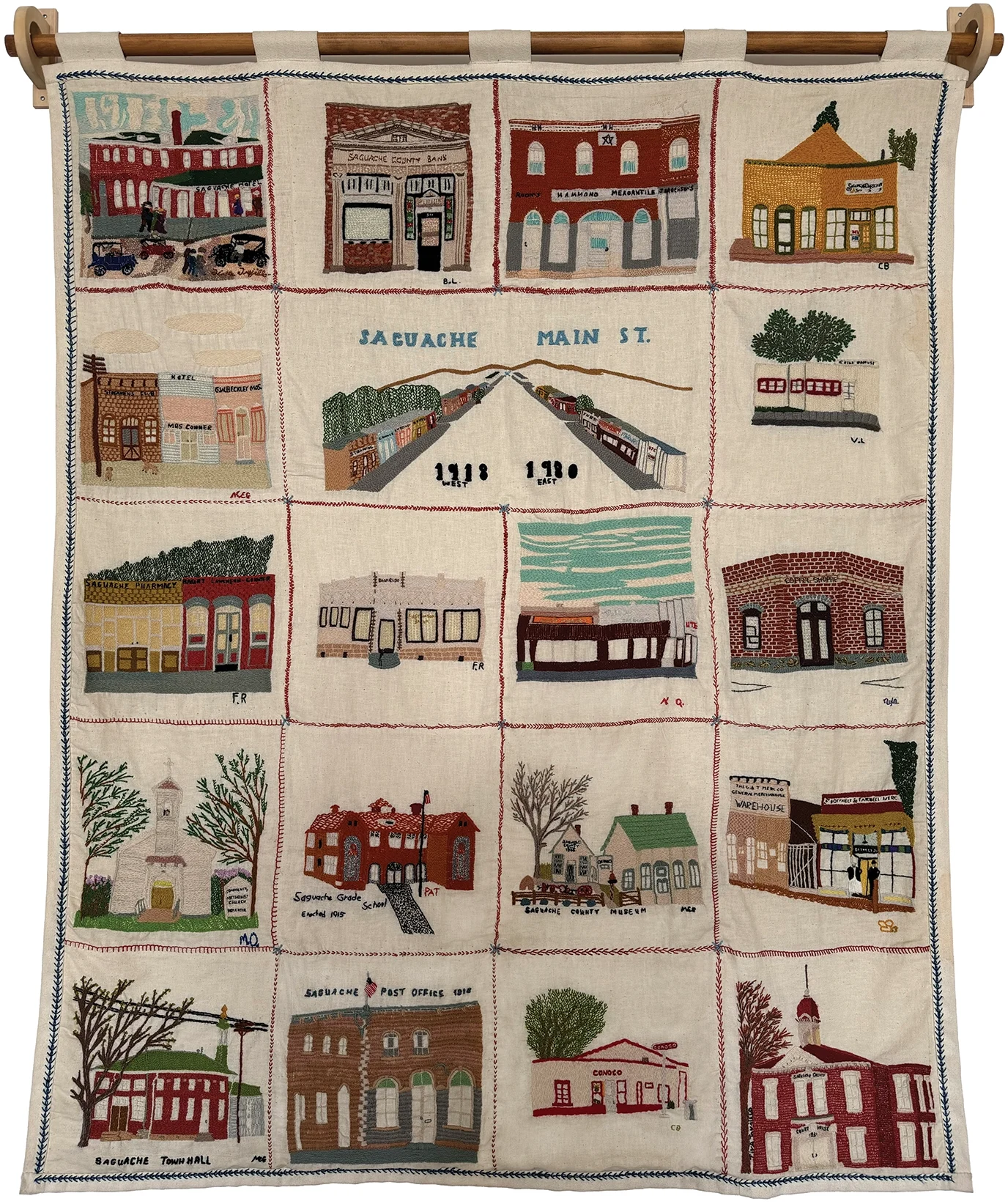
There are destinations across the San Luis Valley and Colorado to visit colcha embroidery, including:
- Saguache Public Library
- The Range in Saguache
- Sacred Heart Catholic Church in Alamosa
- Sangre de Cristo Heritage Center (Closed for Renovations)
- El Pueblo History Museum
- History Colorado Center
Regionally, historic and contemporary colcha embroidery can be found in New Mexico at these sites:
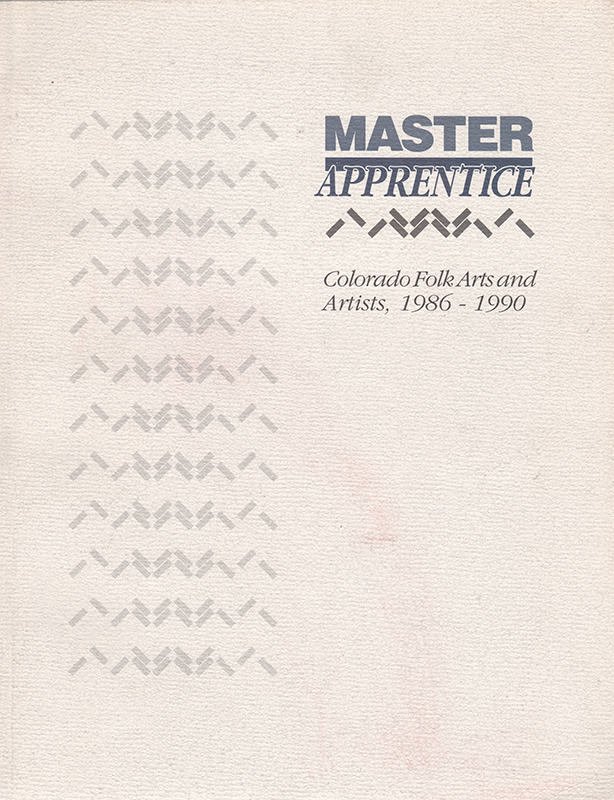
Articles

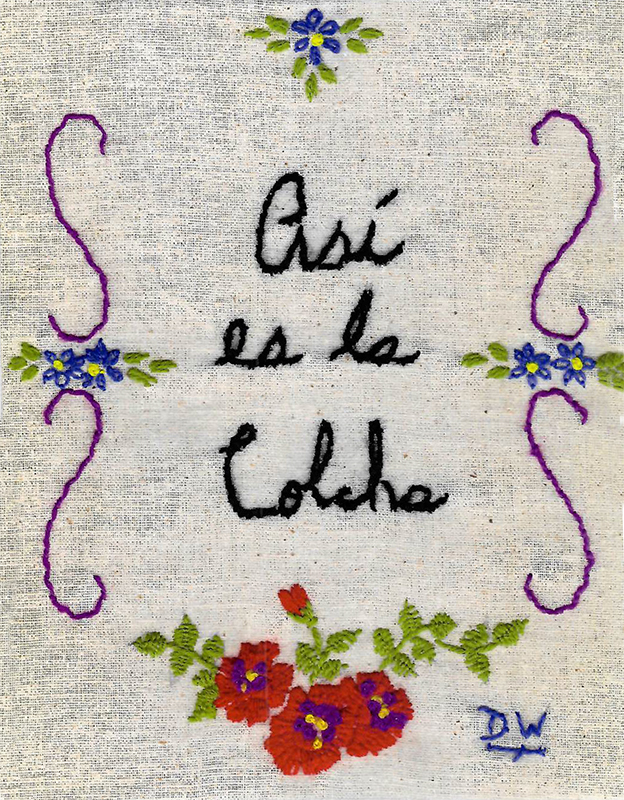
Videos
Bibliography
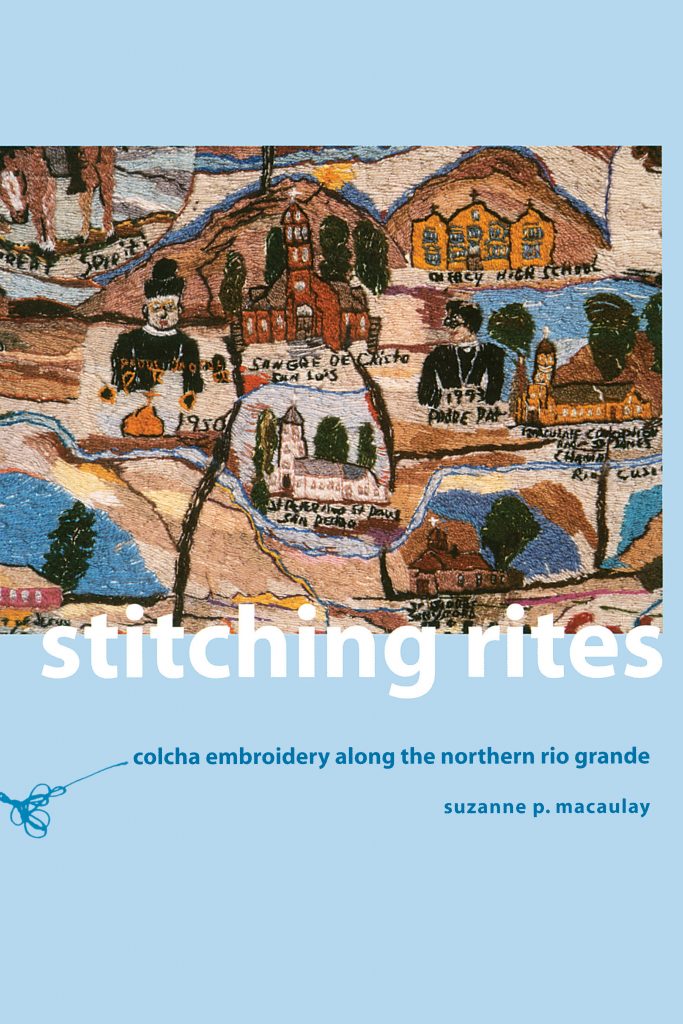
by Dr. Suzanne MacAuley, University of Arizona Press, 2000
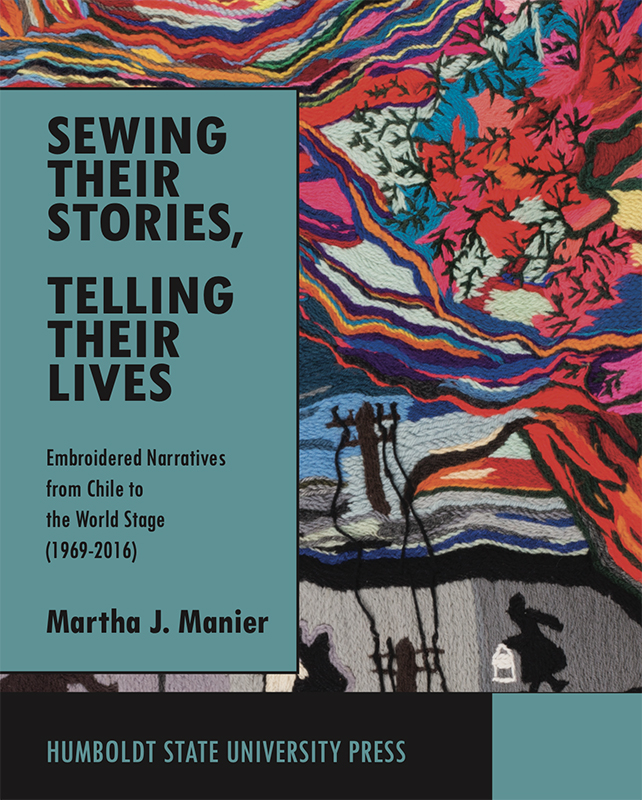
by Martha Manier, Humboldt State University Press, 2019
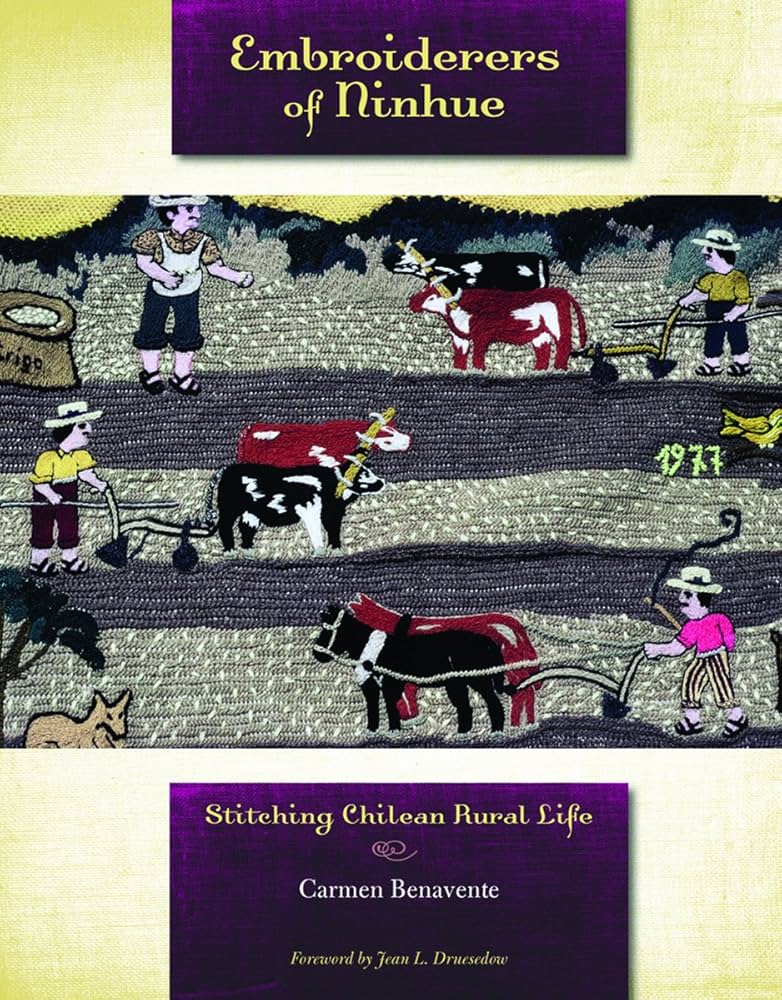
by Carmen Benavente Orrego-Salas, Texas Tech University Press, 2010

by Nancy C. Benson, Museum of New Mexico Press, 2008

by Jacqueline Enthoven, Schiffer Craft Book, 1964
Materials
These are the traditional materials for San Luis Valley colcha embroidery:
Thread
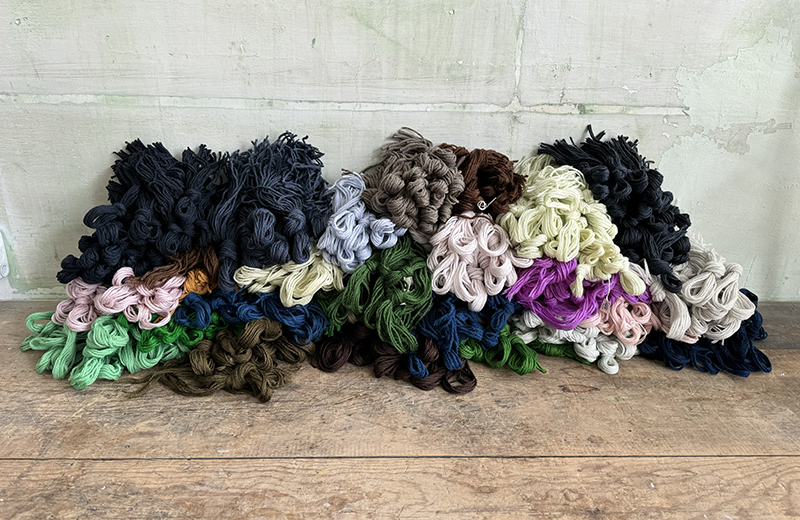
Colcha embroidery uses wool thread. San Luis Valley colcha embroidery often uses commercially produced Colonial Persian 3 ply yarn.
Paternayan/Colonial 3-Ply Persian yarn is available in Colorado at Diversions Needlepoint in Englewood or online at Florilegium.
Traditional New Mexico colcha embroidery uses hand spun hand dyed churro sheep thread. Churro thread is available at Española Valley Fiber Arts Center and Tierra Wools.
Use an approximately 18 inch long thread. Shorter threads have to be changed more often, longer threads wear out while you stitch. Use one strand at a time of the 3 ply yarn.
Cloth
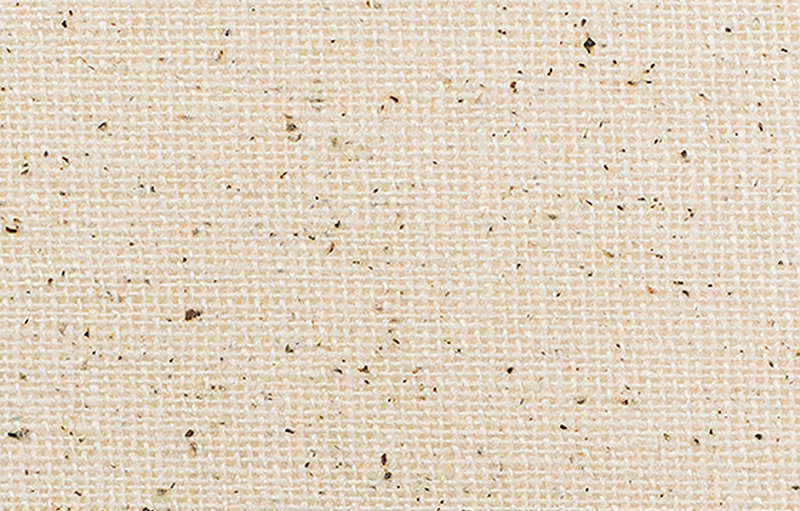
Wool or cotton or linen are easiest to work with. Examples include osnaburg and muslin. Traditional New Mexican embroidery uses a hand woven wool sabanilla. Wool felt could be used also. Difficult to work with fabrics would be stretchy or have a tight weave that makes it harder to pull the yarn through.
Osnaburg, the most frequently used fabric in San Luis Valley colcha embroidery, is available widely in fabric stores and online.
Needles

Crewel needles sizes 18-22 are easiest to thread and stitch with. Many styles of needle will work in a pinch. The needle should be sharp.
The San Luis Valley colcha embroidery project is supported with donations from Colonial Needle.
Hoop
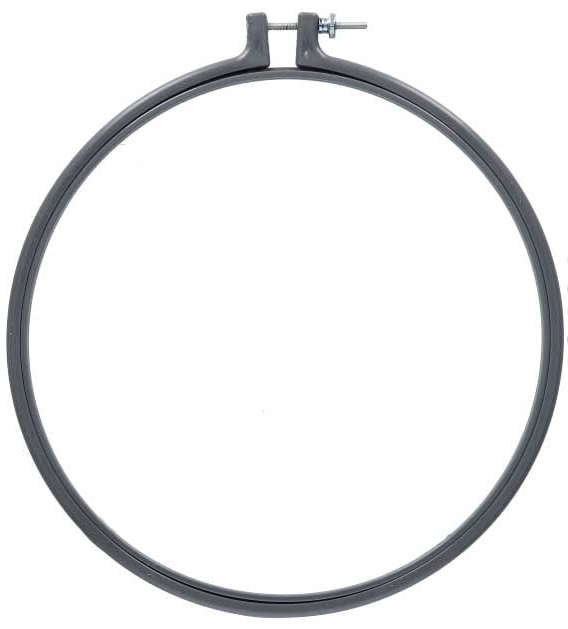
Some artists use one, some don’t. It is a challenge to learn the correct tension of the thread that keeps the fabric from puckering. A plastic hoop with a lip is useful in keeping the fabric taught and sometimes people find it easier to control their tension. Some stitchers keep their stitches loose and work without a hoop with the cloth in their lap.
Artists usually use 7 – 10 inch hoops, which are available widely in craft stores and online.
Scissors
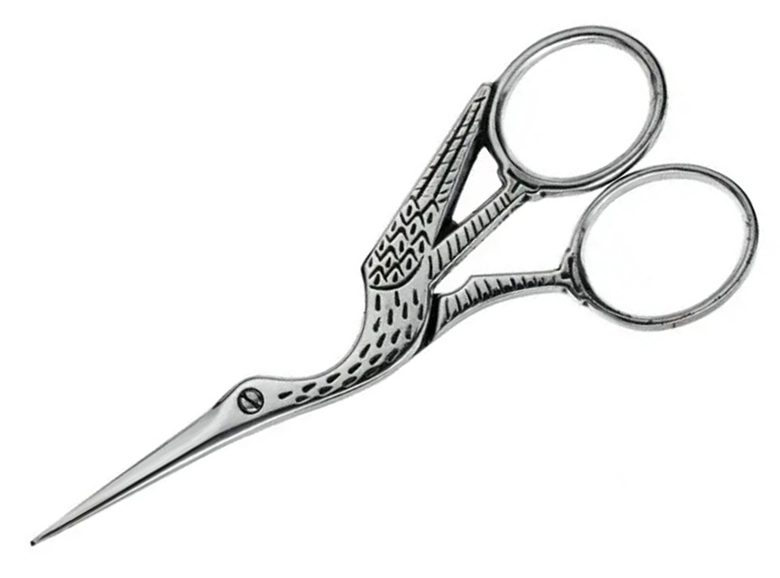
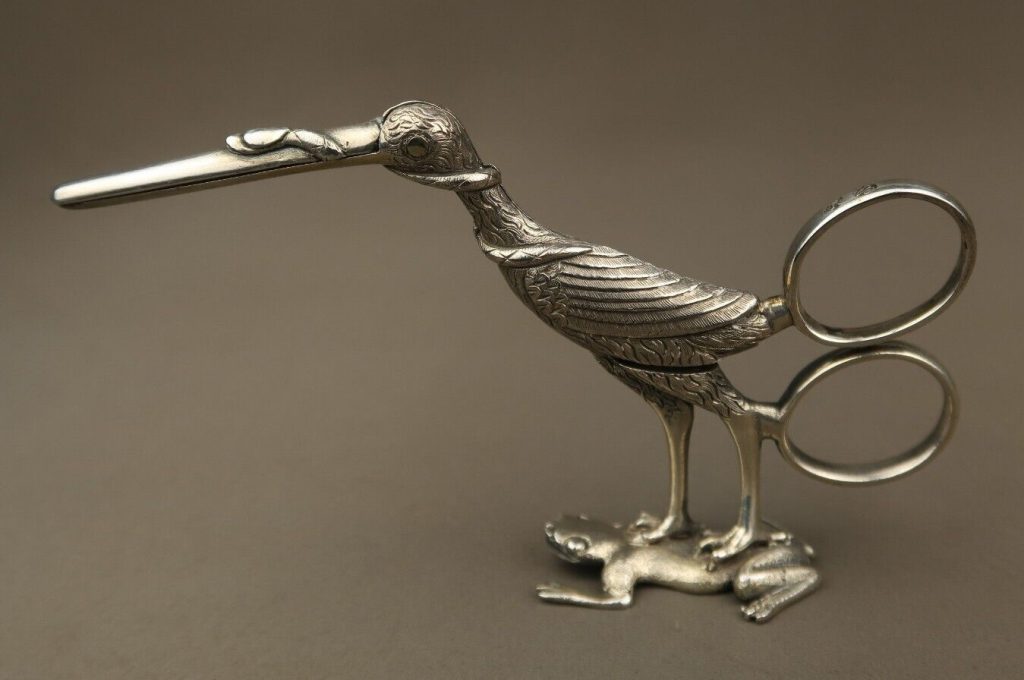
The San Luis Valley Colcha Embroidery Project provides the storied stork embroidery scissors for our workshops. These scissors are the descendants of clamps that midwives used to cut umbilical cords, and are loved by artists of all ages.
Learn more about the stork scissor history here.
Colcha Stitch
Make a simple design—a box, a circle, a leaf, any simple shape— directly on the fabric with a marker.
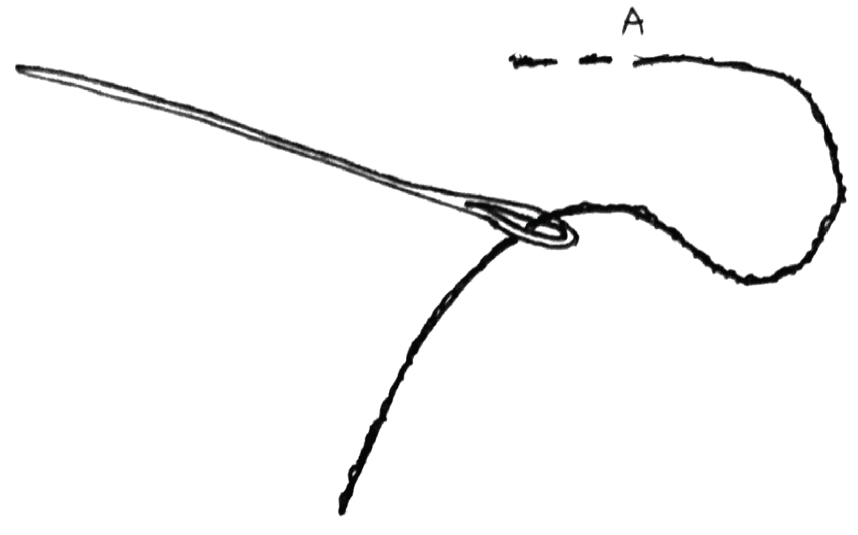
Start on the front of the fabric. Take a needle and insert it through the fabric, leaving a tail. Make a small straight stitch or two (A).
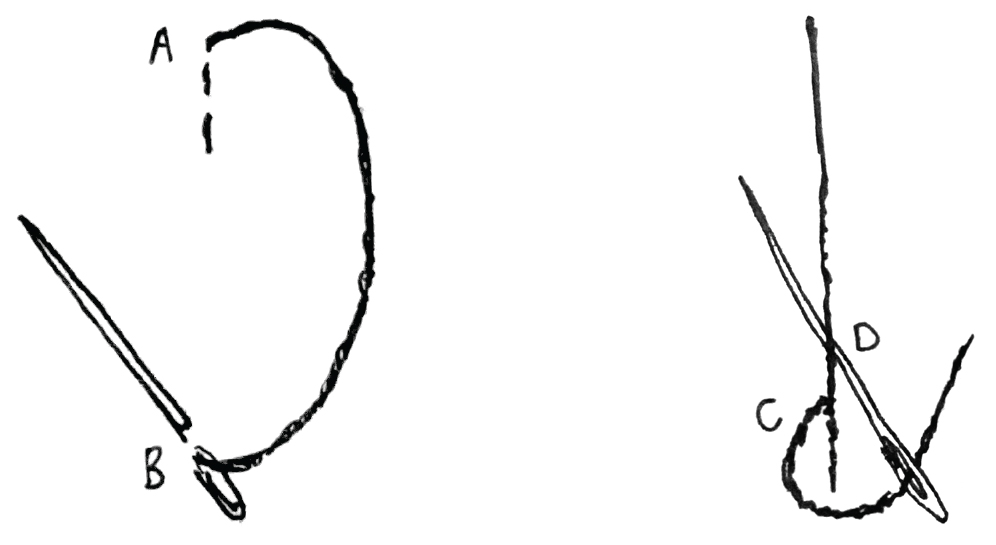
Make a long stitch all the way across the design (B).
Insert the needle on one side of the thread line a small distance along the laying stitch(C).
A small way further down the laying stitch insert the needle on the other side of the thread from where you are— “crossing over” (D). Make these “couching” or “tacking” stitches all the way back to the end of the laying stitch.